



When you notice more scalp along your part or more hair in your brush, you want to know which options might actually help. Red light therapy for hair loss has a useful answer: studies of scalp-directed devices have found improvements in hair density for some people with pattern thinning. The changes are gradual, but they can matter when you are hoping to keep the hair you have and encourage fuller coverage.
The type of hair loss you are experiencing shapes what red light may do for you. A slowly widening part or thinning crown is different from sudden shedding, and the most useful treatment plan starts with that distinction. Here, we explain how the light reaches your scalp, what the hair-growth studies found, how long change can take, and what you can discuss with our Toronto team if you are considering a course of sessions.
How Red Light Reaches Your Hair Follicles
The approach studied for hair growth is called low-level light therapy or photobiomodulation. A device directs red or near-infrared light toward the scalp, where your hair follicles produce new strands. Researchers are studying how that light affects activity within the follicle and the hair-growth cycle. You do not need to feel heat or see an immediate change for the light to be reaching the area being treated.
What matters in practice is where the light goes and how consistently you use it. A cap, comb, or clinic device can have a different design and schedule, so it helps to understand how your scalp will be exposed. If your hair is thinning at the crown, for example, you will want a plan that actually reaches that area and gives you a manageable routine over several months.
Does Red Light Help Hair Grow?
Yes, red light can help some people with male or female pattern hair loss grow more hair. A review of 38 studies found higher hair density after low-level light treatment than after placebo in people with pattern loss. The American Academy of Dermatology also describes regrowth and greater hair thickness in controlled trials. For you, that points to a gradual improvement in density, especially when thinning is still at an earlier stage.
The pattern you notice gives you a starting point:
The best evidence relates to pattern thinning, where follicles are still producing hair but the strands become finer over time. If your hair loss looks different, you can still ask about red light, but the cause should guide the conversation. Light may be one part of a plan that also considers other hair-growth treatments.
When Might You Notice a Change?
Hair grows in cycles, so a useful trial of red light takes months. Studies have assessed changes after roughly 4 to 26 weeks of repeated treatment. You may first notice less visible scalp in a familiar part or a slightly fuller look in photographs, although the timing and amount of change differ from person to person. The schedule should match the device and the plan you are following.
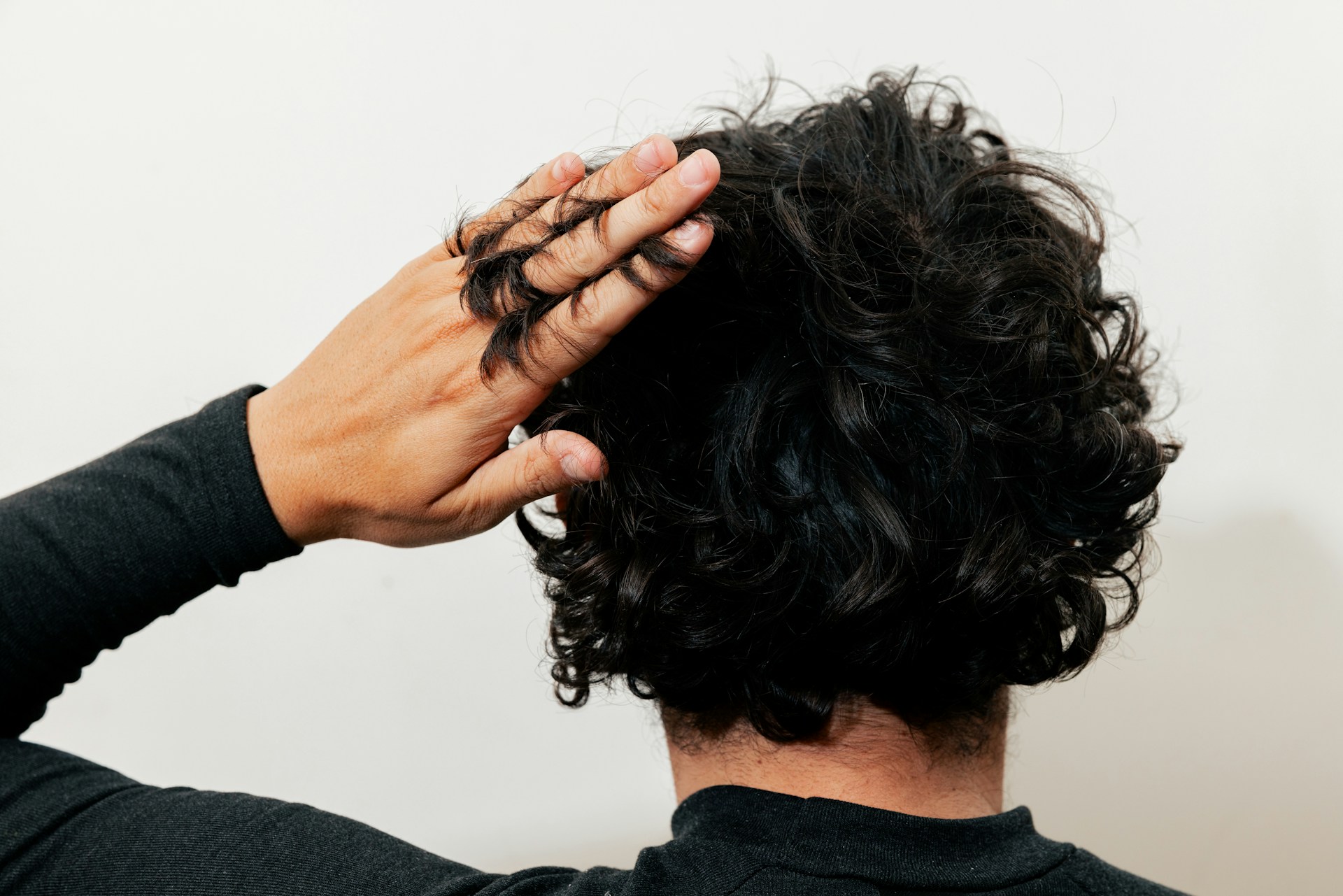
It helps to choose a simple way to see progress before your first session. Take photographs in similar light from the same angles, or note the width of your part and the areas that concern you. If you start another hair treatment, write down when you began it too. That gives you and your clinician a clearer picture when you review the changes.
Consistency is part of the decision. You will want to know how often sessions are recommended, how long they last, and what continuing care may look like. A review point gives you a chance to compare your photos and experience with the goal you set, then decide what makes sense next.
How to Choose a Plan That Fits You
Your hair-loss pattern gives the plan its direction. Gradual thinning, sudden shedding, and distinct patches can have different causes, so an assessment helps you understand what you are treating. When you know the likely cause, you can ask more useful questions about red light and any other options worth considering.
Bring these questions to your consultation:
- What is behind my thinning, and does my pattern match the kind of hair loss studied with red light?
- How will the light reach the areas that concern me, and what schedule would I follow?
- Would another treatment, such as minoxidil or PRP hair restoration, have a role in my plan?
- Which changes should I photograph or track, and when will we review whether the plan is helping?
A practical plan should feel clear before you start: you know what the sessions involve, how often you would come in, and what improvement you hope to see. That makes it easier to stay consistent and judge the result for yourself.
Explore Red Light for Hair Loss With Us
If you are seeing a wider part, a thinner crown, or a change in your hairline, we can start with what you have noticed and what you hope to improve. At our Toronto clinic, we offer clinical-grade red and near-infrared light in a supervised setting. We can talk through how a session works, how we would direct the light to your scalp, and what a manageable schedule might look like for you.
We also offer PRP hair restoration, which uses a concentrated portion of your own blood placed into the scalp. It is a different treatment, and we can explain why it might be considered alongside red light for your goals. We will discuss your hair-loss pattern, the treatments you have tried, and how you would prefer to measure progress. If you need a closer look at the cause of your shedding, that can guide the next step.
At Upper Room Clinic, we can help you compare the options with your own pattern of thinning in mind. Bring recent photos if you have them and tell us what has changed in your daily routine. We can answer questions about timing, visits, and cost, then help you choose a clear goal for the months ahead. Contact us to discuss whether red light belongs in your hair-loss plan.

