


There are real physiological effects from sitting in an infrared sauna. Your skin warms, blood vessels respond to the heat, heart rate may increase, and you sweat. Where things become less clear is when those normal responses are turned into claims that infrared sauna can “detox” the body, produce major weight loss, or treat a long list of diseases.
The research is more measured than that.
Studies suggest that infrared sauna benefits may include changes in circulation and cardiovascular function, along with possible improvements in pain, stiffness and recovery for some people. At the same time, much of the evidence comes from relatively small studies, and some of the strongest long-term sauna research involves traditional Finnish saunas rather than infrared systems.
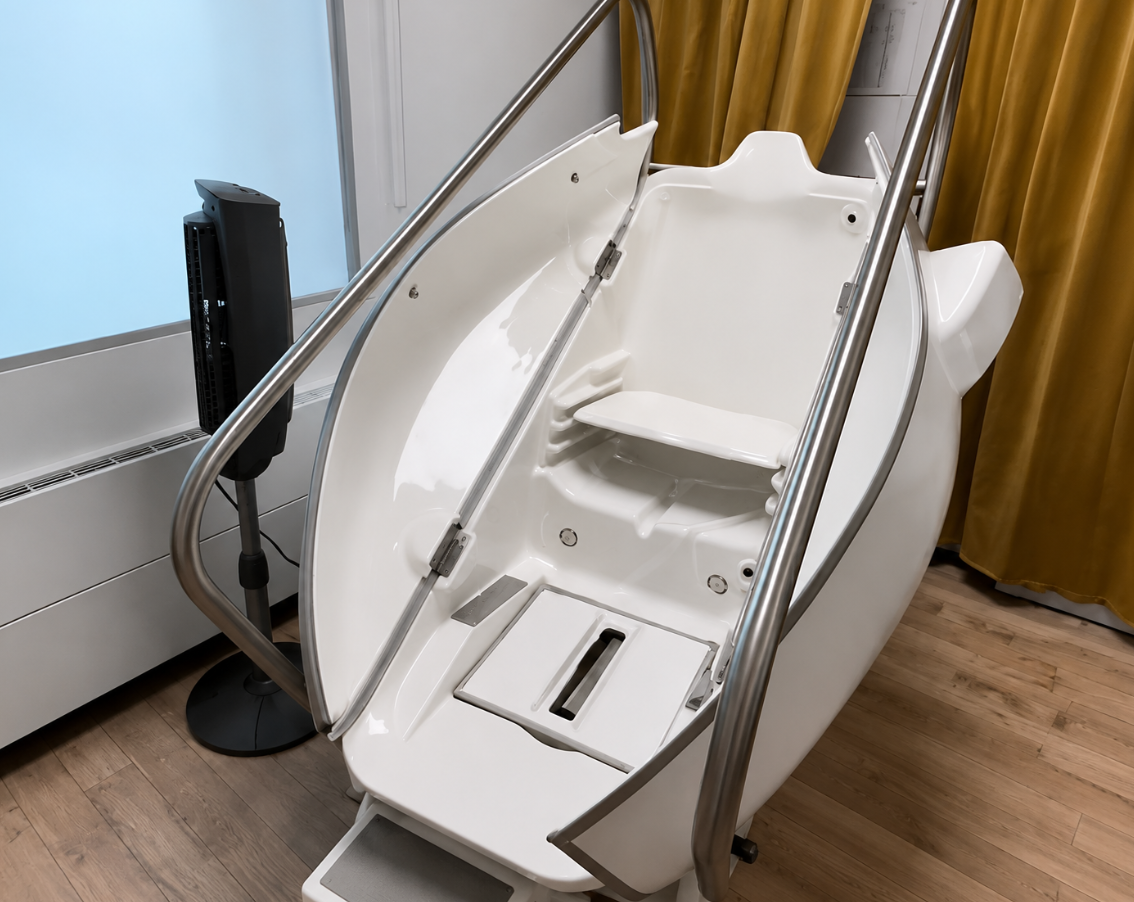
At Upper Room Clinic, infrared heat is incorporated into our HOCATT Ozone Sauna. We think it is important to distinguish what research tells us about heat itself from the broader claims sometimes made about sauna therapy.
What Actually Happens During an Infrared Sauna Session?
An infrared sauna heats the body differently from a traditional sauna. Instead of relying primarily on very hot surrounding air, infrared emitters produce radiant heat that is absorbed by the body.
Infrared Saunas Typically Operate at Lower Temperatures
A traditional sauna may reach roughly 80°C or higher. Infrared systems commonly operate at substantially lower air temperatures while still producing noticeable heat and sweating.
That does not make the experience physiologically passive.
As the body works to regulate its temperature, blood flow to the skin increases. Heart rate can rise, and blood vessels may dilate. These are some of the reasons infrared heat therapy has attracted interest in cardiovascular and rehabilitation research.
What Are the Best-Supported Infrared Sauna Benefits?
If we strip away marketing claims and look at the clinical literature, a few areas deserve more attention than others.
Circulation and Cardiovascular Responses
One of the more consistent findings is that sauna heat affects circulation.
Research has documented changes in blood pressure, heart rate, vascular function and other cardiovascular measures after sauna exposure. Some studies involving far infrared systems have also reported improvements among carefully selected patients with cardiovascular conditions.
That gives us a reasonable basis for discussing infrared sauna circulation.
It does not give us a basis for saying sauna therapy prevents heart attacks or substitutes for exercise, medication or cardiovascular care.
Those are very different claims.
Pain and Stiffness
Another interesting area is infrared sauna for pain.
Small clinical studies have evaluated far infrared sauna in people with conditions such as rheumatoid arthritis, ankylosing spondylitis and chronic pain. Some participants reported reductions in pain or stiffness, although the body of research is still limited.
A broader review of sauna studies found encouraging findings for chronic pain but also emphasized how small and varied many of the studies were.
For a patient, the practical takeaway is that heat may be useful as a supportive therapy. It should not automatically be treated as the solution to the underlying cause of pain.
Can Infrared Sauna Help With Recovery?
Possibly, but this is another area where expectations matter.
Heat Can Be Useful Without Being a Recovery Shortcut
Many people find heat relaxing after exercise. Increased skin blood flow and the sensation of warmth can also make stiff muscles feel temporarily more comfortable.
That is a reasonable reason to explore sauna recovery.
What we would not say is that 30 minutes in a sauna replaces sleep, hydration, appropriate nutrition, strength work or rehabilitation after an injury.
Those fundamentals still matter.
If someone has persistent pain rather than ordinary post-exercise soreness, determining why the pain is occurring is more useful than repeatedly applying heat without an assessment.
Does an Infrared Sauna Really “Detox” You?
This is probably the claim that deserves the most clarification.
Sweating and Detoxification Are Not the Same Thing
Sauna exposure makes you sweat. That part is obvious.
The leap from sweating to “removing toxins from the body,” however, is much harder to substantiate. Your liver and kidneys are responsible for most of the body's processing and elimination of waste.
Some substances can be measured in sweat, but that does not demonstrate that sauna therapy meaningfully replaces or enhances the body's main detoxification systems.
This is one reason we prefer to discuss measurable responses such as heat exposure, sweating and circulation instead of using “detox” as a catch-all explanation for every possible benefit.
Will Infrared Sauna Help You Lose Weight?
You may weigh less immediately after a sauna session. That is not the same as losing body fat.
Most Immediate Weight Change Is Water
Sweating produces fluid loss.
Once you drink and restore that fluid, much of the change on the scale returns.
Heat exposure does require energy, but current infrared sauna research does not support treating sauna sessions as an alternative to the nutrition, movement, sleep and metabolic factors involved in meaningful long-term weight management.
That distinction matters because short-term numbers on a scale can be misleading.
How Strong Is the Evidence Overall?
The research is promising, but uneven.
| Area | Current evidence |
|---|---|
| Circulatory responses | Reasonably well supported |
| Cardiovascular markers | Promising, with important limitations |
| Pain and stiffness | Encouraging small studies |
| Relaxation and recovery | Plausible supportive benefit |
| Major fat loss | Not established |
| Broad “detox” claims | Not well established |
| Treating serious disease | Not established |
Mayo Clinic reaches a similar conclusion: studies have reported possible benefits in several health conditions, but larger and better-controlled research is still needed.
Is Far Infrared Sauna Safe for Everyone?
Not necessarily.
Heat Therapy Still Has Contraindications
A far infrared sauna can produce light-headedness, dehydration or changes in blood pressure, particularly in someone who is heat-sensitive or inadequately hydrated.
People with significant cardiovascular conditions, problems regulating body temperature, a history of fainting, pregnancy or medications that affect blood pressure and hydration should discuss sauna use with a qualified healthcare professional.
The fact that something feels relaxing does not make screening unnecessary.
How We Use Infrared Heat at Upper Room Clinic
At Upper Room Clinic, we use heat as one component of a broader regenerative and integrative care model rather than presenting it as a stand-alone cure.
HOCATT Is More Than an Infrared Sauna
Our HOCATT Ozone Sauna combines infrared heat and steam with several other modalities in one approximately 30-minute session.
That also means we have to be careful when interpreting research.
A study on infrared sauna therapy tells us something about infrared heat. It does not automatically prove the effects of every other component used during a HOCATT session.
For patients considering sauna therapy, that distinction is useful. The evidence suggests controlled heat can produce real physiological changes and may complement care for circulation, discomfort and recovery in appropriate patients.
The next question is whether those effects make sense for your health history and goals.
Book a HOCATT Session in Toronto
Want to experience infrared heat as part of a fuller session? Our HOCATT combines far infrared, steam, ozone, carbonic acid and oxygen breathing in one 30-minute session at our Davisville clinic. No consultation or referral is needed, just a short screening form before your first visit. Sessions are $132 until January 31, 2027.
This article is for educational purposes and is not a substitute for individual medical advice.

